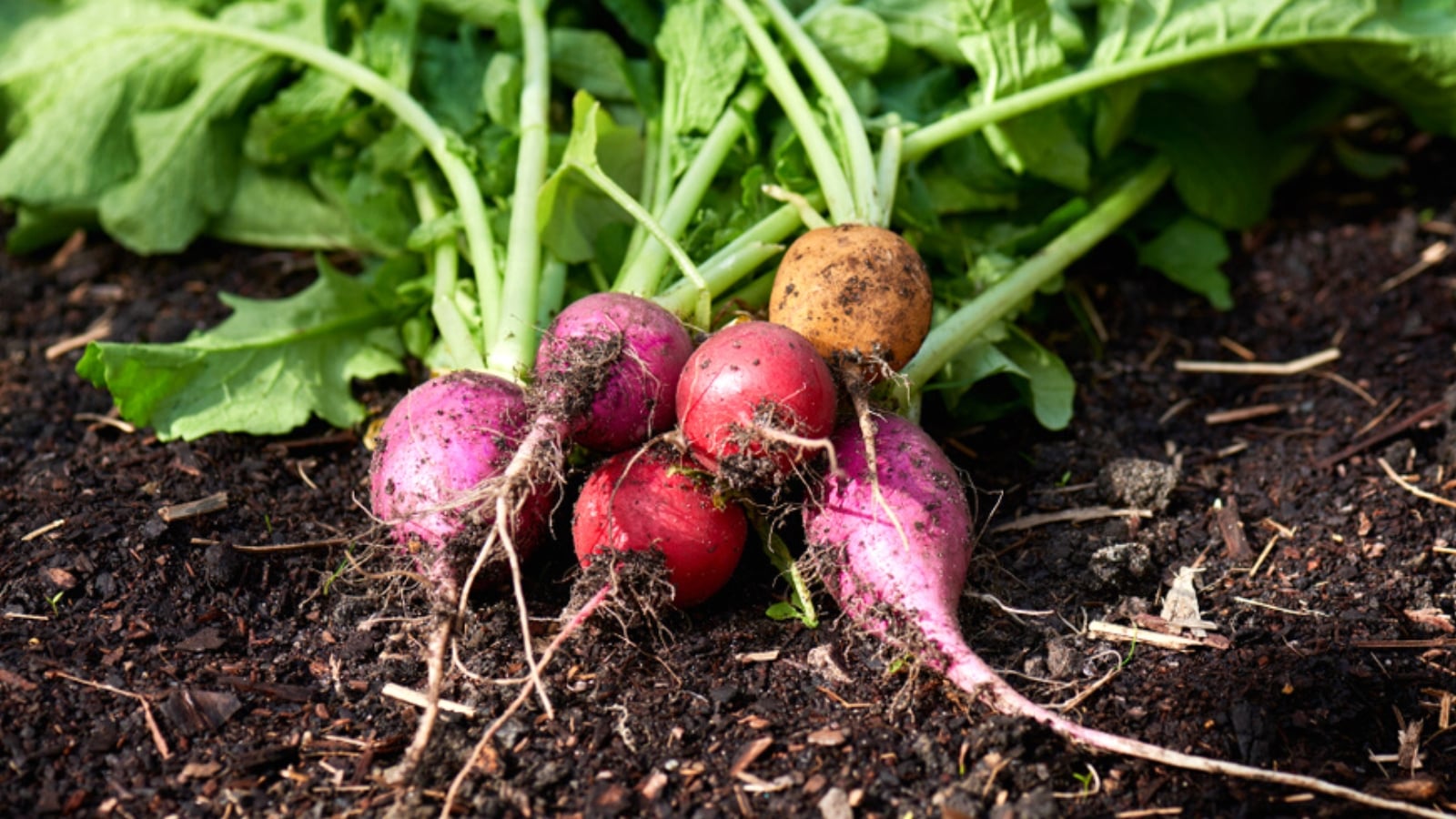
Often relegated to a mere garnish or a crunchy addition to a simple salad, the humble radish holds a vibrant secret: a world of diverse flavors, striking colors, and versatile culinary applications just waiting to be explored. Far from being a one-note root, radishes are an astonishingly varied family of edible tubers, each offering a unique sensory experience. From the peppery bite of a classic red globe to the mild sweetness of a Daikon, understanding the different types of radishes can transform your cooking and invigorate your palate.
These pungent, crisp root vegetables are cultivated globally and come in an incredible array of hues including reds, pinks, purples, whites, greens, and even blacks. While wild radishes exist, our focus today is on the cultivated varieties you can readily find at your local grocery store or a bustling farmer's market. Prepare to discover how these often-underestimated gems can be enjoyed raw, roasted, pickled, blended into condiments, or even sautéed into a savory side dish.
What Exactly Are Radishes? A Rooted Introduction
At their core, radishes (Raphanus sativus) are root vegetables, meaning the edible part we consume grows beneath the soil. They belong to the Brassica family, making them cousins to cabbage, broccoli, and kale. What sets them apart is their signature crisp texture and the characteristic peppery kick, which comes from compounds called isothiocyanates. However, as we'll soon discover, this pungency varies dramatically among the many types of radishes available.
Beyond their distinctive flavor, radishes offer a wealth of nutritional benefits. They are low in calories, high in water content (making them incredibly hydrating), and packed with vitamins and minerals like Vitamin C, folate, and potassium. Their leaves, often discarded, are also edible and nutritious, making them a fantastic "root-to-leaf" vegetable that minimizes waste.
The Spectrum of Radish Flavors
One of the most fascinating aspects of exploring different types of radishes is encountering their diverse flavor profiles. If your only experience is with the common red globe, you might assume all radishes are simply "spicy." While many do offer a pleasant heat, the intensity and accompanying notes vary greatly:
- Mild & Sweet: Some varieties like Daikon or certain Watermelon radishes boast a notably milder, almost sweet flavor, often with a juicy crispness. These are excellent for raw applications where a gentle crunch is desired.
- Classic Peppery: The familiar red globe and many other small varieties offer that quintessential peppery zest that awakens the taste buds, often with a refreshing crispness.
- Intensely Pungent: At the other end of the spectrum, certain radishes, most notably black radishes, can deliver a powerful, almost horseradish-like heat that is robust and earthy. These varieties often mellow beautifully when cooked.
- Subtly Spicy with Earthy Undertones: Green radishes often fall into this category, offering a unique flavor that's both crisp and slightly herbaceous.
Our Test Kitchen recommends sampling various radishes on their own to truly appreciate their unique characteristics. This hands-on approach will help you determine which flavor profiles best suit your preferences and culinary intentions. For a deeper dive into how different varieties impact your palate and the best ways to prepare them, check out From Mild to Spicy: A Deep Dive into Radish Flavors & Cooking.
A Global Tour of Diverse Radish Varieties
Let's embark on a journey through some of the most popular and intriguing types of radishes you might encounter, each with its own story, appearance, and flavor:
1. Common Red Radishes (Globe Radishes)
These are the iconic radishes found in most grocery stores year-round. With their bright red skin and crisp, stark white flesh, they are the quintessential representation of the vegetable. They offer a refreshing, peppery flavor and a satisfying crunch, making them perfect for slicing into salads, adding to crudité platters, or simply munching on as a healthy snack. Their consistent availability and approachable flavor make them an excellent starting point for radish newcomers.
2. French Breakfast Radishes
Elegant and elongated, French Breakfast radishes are easily recognizable by their oblong shape and beautiful ombré skin, transitioning from a vibrant red at the top to a delicate pink, and finally to a creamy white tip. These radishes are typically milder than their globe-shaped cousins, offering a subtly spicy flavor. They are at their peak in winter and spring and are fabulous eaten raw, perhaps with a pat of butter and a sprinkle of sea salt, or lightly roasted to bring out their sweetness.
3. Watermelon Radishes
Don't let their unassuming exterior fool you! Watermelon radishes might have a somewhat plain white and light green skin, but cut them open, and you'll reveal a spectacular vibrant pink or fuchsia interior, much like a tiny watermelon slice. This visual appeal makes them a favorite for garnishes. They tend to have a sweeter flavor than most radishes, with just a hint of peppery bite. Best enjoyed in spring and fall, their mildness and stunning color make them ideal for thin slicing in salads, open-faced sandwiches, or pickling.
4. Daikon Radishes
A staple in Asian cuisine, Daikon radishes are a large, often cylindrical variety, typically white, but also available in purple, pink, green, or red hues. Unlike many of the smaller, spicier varieties, Daikon boasts a distinctly milder, sweeter flavor and a crisp, juicy texture. Available in fall and winter, they are incredibly versatile: grated into salads, pickled (think kimchi or Japanese tsukemono), added to stir-fries, stews, or even roasted. Their refreshing quality helps cut through rich dishes.
5. Black Radishes (Nero Tondo / Black Spanish)
For those who prefer a more intense flavor, the Black Radish is a must-try. With its dramatic dark, almost charcoal-black skin and stark white flesh, it certainly stands out. This heirloom variety delivers a sharp, pungent, peppery flavor reminiscent of horseradish, making it one of the spicier types of radishes. Available in winter and spring, black radishes can be quite robust raw, but their heat mellows wonderfully when roasted, sautéed, or thinly sliced and fermented.
6. Easter Egg Radishes
Easter Egg radishes aren't a single variety but rather a beautiful mix of small, diverse radishes sold together in a bunch or bag. As their name suggests, they come in a delightful palette of red, pink, purple, and white. These aesthetically pleasing radishes are crunchy and offer a classic peppery flavor, much like the common red globe. They are perfect for adding visual interest and a fresh bite to any dish where you'd use red radishes, especially crudité platters.
7. Sparkler Radishes
Another visually appealing option, Sparkler radishes are two-toned, featuring a striking dark red or purple top that smoothly transitions into a creamy white base. They are crunchy and provide a satisfying peppery kick, making them a fantastic addition to fresh salads or as an eye-catching element on a crudité board. You'll typically find them in season during winter and spring.
8. Green Meat Radishes (Mu or Korean Radish)
Often known as Korean radish or Green Meat, this variety has a unique appearance with a dark green exterior that continues into a matching green interior flesh. These radishes are generally quite crisp and offer a subtly spicy flavor that is often described as slightly sweet and earthy. They are excellent raw in salads, slaws, or as a crunchy element in Asian-inspired dishes, especially during their peak season in spring and fall.
Other Intriguing Radish Varieties
The world of radishes extends even further! You might also encounter:
- Bacchus Radishes: Round with rich purple skin, these can be quite spicy and are often recommended for stir-frying or roasting to temper their heat.
- Shunk Yo Semi-Long: Hailing from northern China, this cylindrical variety boasts a unique hot and sweet flavor profile, reminiscent of rhubarb.
- Alpine Radish: A common choice for making kimchi in Korea, this oblong white radish typically measures 5 to 8 inches and offers a mild flavor.
- Helios Radish: Named after the Greek god of the sun, this golden round radish has crisp, white flesh and a delightfully mild, sweet taste.
While the common red globe is a familiar sight, a world of other intriguing Explore Unique Radish Varieties: Beyond the Common Red Globe awaits discovery at farmer's markets and specialty stores.
Beyond the Root: Utilizing Radish Greens
One of the most valuable insights when exploring types of radishes is that their leafy tops are not only edible but also delicious and nutritious! Radish greens have a slightly peppery flavor similar to arugula or mustard greens. Don't toss them! Instead, try:
- Adding to Salads: Young, tender radish greens can be incorporated directly into your favorite green salads.
- Sautéing: Wilt them gently in a pan with garlic and olive oil for a simple, earthy side dish, much like spinach or kale.
- Pesto: Blend them into a vibrant pesto for pasta, sandwiches, or as a dip.
- Soups & Stews: Stir them into soups or stews during the last few minutes of cooking for a nutritious boost.
Always wash radish greens thoroughly before use, as they can sometimes harbor a bit of grit.
Unleashing Radish Versatility: Culinary Uses & Tips
Radishes are far more versatile than many realize. Their unique textures and flavors can elevate a wide range of dishes:
- Raw & Fresh: This is where most radishes shine. Slice them thinly for salads, add them to tacos or sandwiches for a zesty crunch, or serve them whole or halved on a crudité platter with your favorite dip. Their crispness provides a fantastic textural contrast.
- Roasted & Sautéed: Cooking radishes mellows their peppery bite and brings out their subtle sweetness, transforming them into a tender, earthy vegetable. Halve or quarter them, toss with olive oil, salt, and pepper, then roast until tender-crisp. They also sauté beautifully in butter or olive oil.
- Pickled: Pickling is an excellent way to preserve radishes and infuse them with tangy flavor. Quick-pickled radishes make a fantastic accompaniment to rich meats, sandwiches, or grain bowls. Daikon radishes are particularly popular for pickling in Asian cuisines.
- Blended: Experiment by blending raw radishes into fresh salsas, vibrant gazpachos, or even creamy dips for an unexpected peppery kick.
- Garnishes: The vibrant colors of varieties like Watermelon or Easter Egg radishes make them ideal for adding a decorative touch to dishes. Thinly sliced or carved into rosettes, they can elevate presentation instantly.
Choosing and Storing Radishes
When selecting radishes, look for firm, unblemished roots. If the greens are attached, they should appear fresh and vibrant, not wilted or yellowing. To store, separate the greens from the roots (this prevents the greens from drawing moisture from the roots and causing them to soften). Store the roots in a perforated bag or airtight container in the crisper drawer of your refrigerator, where they can last for 1-2 weeks. The greens can be stored separately and used within a few days.
Conclusion
The world of radishes is surprisingly vast and delicious, offering a rich tapestry of flavors, colors, and textures that extend far beyond the familiar red globe. From the intense heat of a Black Radish to the sweet crunch of a Daikon, and the visual delight of a Watermelon or Easter Egg variety, there's a radish to suit every palate and culinary endeavor. By exploring the different types of radishes, you unlock a new dimension of creativity in your kitchen, adding vibrant flavors and nutritional value to countless dishes. So, next time you're at the market, dare to venture beyond the ordinary and embrace the extraordinary diversity of these humble yet spectacular root vegetables.
