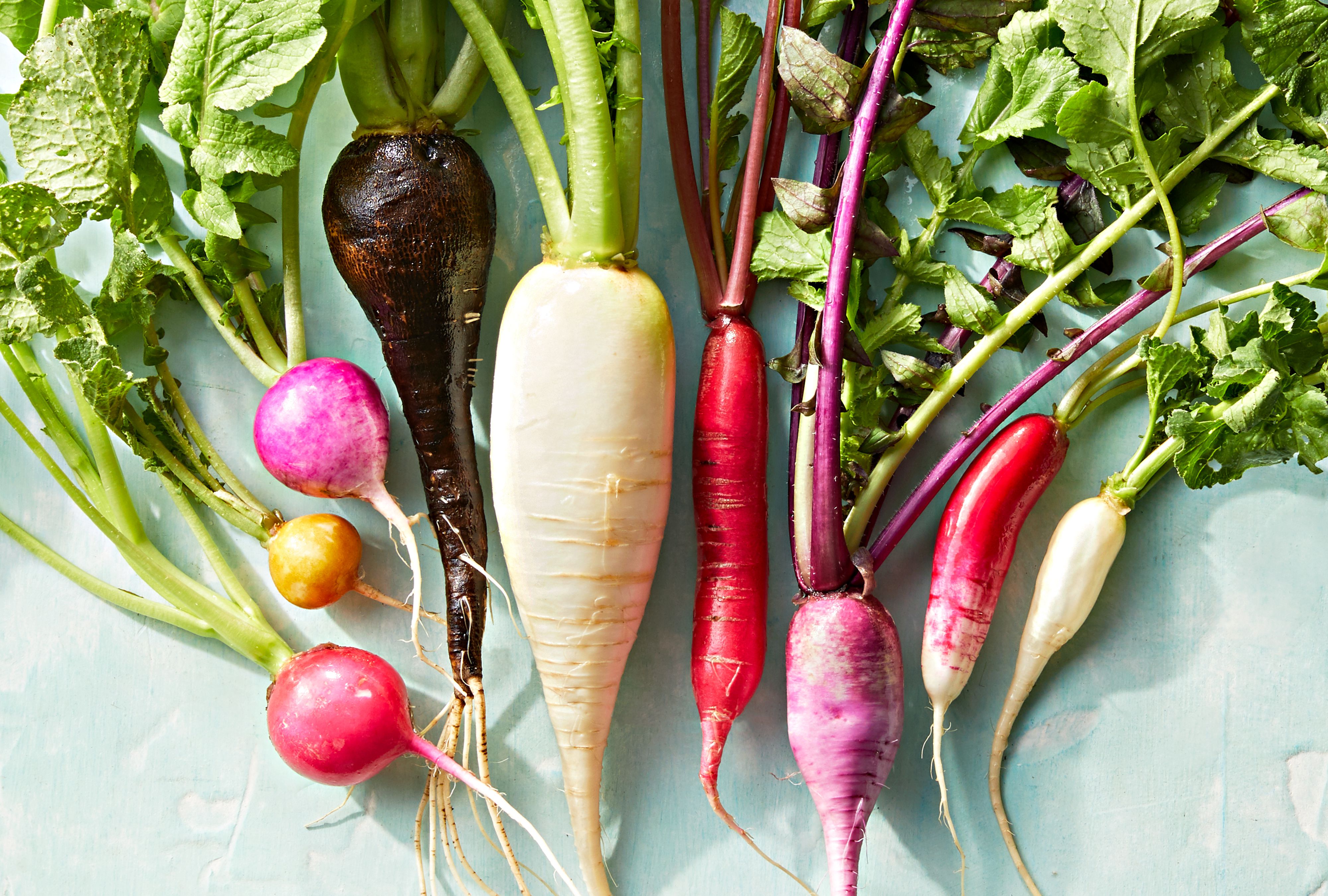
Often relegated to a mere garnish, the humble radish holds a surprisingly diverse world of flavors, textures, and vibrant colors. From a gentle, crisp sweetness to an invigorating, fiery kick, these versatile root vegetables offer a culinary journey that extends far beyond the typical salad bowl. Understanding the unique characteristics of different types of radishes can unlock a whole new realm of culinary possibilities, transforming your dishes from ordinary to extraordinary.
The Vibrant World of Radishes: More Than Just a Salad Topping
Radishes are pungent, edible root vegetables cultivated and enjoyed across the globe. They are celebrated not only for their satisfying crunch but also for their stunning array of colors, including reds, pinks, purples, whites, greens, and even blacks and yellows. While wild radishes exist, the varieties you'll typically find at your local grocery store or farmer's market are cultivated gems, each with its own charm.
These magnificent roots are incredibly adaptable in the kitchen. While delicious raw—offering a refreshing bite—they also shine when cooked. Roasting can mellow their peppery notes and bring out a hidden sweetness, pickling transforms their texture and flavor into tangy delights, and blending them into condiments adds a unique zest. Discovering the full potential of radishes starts with exploring the many types of radishes available to the home cook.
Unpacking the Flavor Spectrum: From Mildly Sweet to Fiery Hot
The flavor profile of radishes varies dramatically from one variety to another. What causes this fascinating range? The signature "peppery" or "spicy" sensation in radishes comes from compounds called isothiocyanates, which are released when the radish cells are broken. The concentration of these compounds determines the intensity of the heat.
Generally, smaller, younger radishes tend to be milder, while larger or older varieties can pack a more significant punch. The common red globe radish, for instance, offers a relatively mild peppery flavor. In contrast, a black Spanish radish can be intensely sharp, almost reminiscent of horseradish. To truly appreciate this spectrum, our Test Kitchen recommends trying a new radish variety on its own first, allowing its unique flavor to shine before incorporating it into a dish. Remember, cooking radishes—whether sautéing, roasting, or stir-frying—often helps to tame their heat, transforming them into a milder, earthier vegetable.
Popular Types of Radishes and Their Culinary Charms
The world of radishes is vast and exciting. Here are some of the most popular types of radishes you're likely to encounter, along with tips for how to best enjoy their distinct flavors and textures:
1. Red Globe Radishes (The Common Radish)
- Appearance: Bright red skin, crisp white flesh, round shape.
- Flavor Profile: Classic crisp texture with a refreshing, slightly peppery bite. Generally on the milder side among radishes.
- Season: Available year-round.
- Culinary Uses: Perfect for slicing into salads, adding to sandwiches, or serving raw on a crudité platter. Their mild heat makes them a crowd-pleaser.
2. Watermelon Radishes
- Appearance: Unassuming white and light green exterior, but slice it open to reveal a stunning vibrant pink or magenta interior, resembling a miniature watermelon.
- Flavor Profile: Sweeter than many other radishes, with a subtle peppery finish. They offer a satisfying crunch.
- Season: Peak in spring and fall.
- Culinary Uses: Their visual appeal makes them ideal for elegant salads, pickling, or thinly slicing for a striking garnish on tacos or toast. For more visual inspiration, you can Discover Diverse Radish Types: Flavors, Colors, and Uses and see their beauty.
3. Daikon Radishes
- Appearance: A large, elongated Asian radish, typically white, but can also be found in purple, pink, green, or red varieties. They can measure 5-8 inches or more.
- Flavor Profile: Milder and sweeter than globe radishes, with a slightly pungent undertone. They are crisp and juicy.
- Season: Primarily available in fall and winter.
- Culinary Uses: A staple in Asian cuisine, daikon is excellent grated into salads, stir-fries, stews, or pickled to make kimchi (especially the Alpine variety). It can also be roasted or braised.
4. French Breakfast Radishes
- Appearance: Long, slender, and cylindrical, with an attractive ombré skin that transitions from red at the top to pink and then white at the tip.
- Flavor Profile: Known for their delicate crispness and a spicier, more refined peppery flavor than the common red globe.
- Season: Best in winter and spring.
- Culinary Uses: Traditionally served simply with butter and sea salt, French Breakfast radishes are also wonderful sliced in salads, roasted gently, or pickled. Their elegant shape makes them a fantastic addition to any presentation.
5. Black Spanish Radishes (Nero Tondo)
- Appearance: Round or elongated with rough, black skin and stark white flesh.
- Flavor Profile: These heirloom radishes pack a serious punch! They are known for their sharp, intensely peppery, almost horseradish-like flavor.
- Season: Typically a fall/winter variety.
- Culinary Uses: Best for those who love a strong flavor. Try them thinly sliced in salads, grated into slaw, or roasted to temper their heat. Their bold flavor can stand up to rich meats or creamy dressings.
6. Green Meat Radishes (Green Luobo)
- Appearance: Dark green exterior and interior, often elongated.
- Flavor Profile: Crisp texture with a subtly spicy, earthy flavor that can lean slightly sweet.
- Season: In season during spring and fall.
- Culinary Uses: Excellent for pickling, stir-frying, or shredding into vibrant slaws. They add both color and a unique flavor dimension.
7. Easter Egg Radishes
- Appearance: Not a single variety, but a mix of small, colorful radishes typically sold together in a bunch or bag, featuring shades of red, pink, purple, and white.
- Flavor Profile: Generally similar to the common red globe radish – crisp and mildly peppery, but can vary slightly depending on the individual radish.
- Season: Often available in spring.
- Culinary Uses: Their beautiful assortment of colors makes them perfect for crudité platters, vibrant salads, or garnishing dishes. Use them interchangeably with red radishes.
As you can see, the world of radishes is incredibly rich. For an even deeper dive into lesser-known varieties and their specific applications, be sure to Explore Unique Radish Varieties: Beyond the Common Red Globe.
Beyond the Root: Utilizing Radish Greens and Maximizing Freshness
While the root gets all the attention, don't overlook the leafy greens attached to many radish varieties! Radish greens are not only edible but also highly nutritious and delicious. They have a slightly peppery flavor that can range from mild to quite pronounced, similar to arugula or mustard greens.
- Eating the Greens: Wash them thoroughly and add them to salads for a peppery kick, sauté them with garlic and olive oil for a simple, flavorful side dish, or blend them into pesto.
- Selecting Fresh Radishes: Look for firm, blemish-free roots with vibrant colors. The greens, if attached, should be crisp and green, not wilted or yellow.
- Storing Radishes: To keep radishes crisp, remove the greens immediately after purchase (as the greens draw moisture from the root). Store the radishes in an airtight container or a perforated bag in the refrigerator, ideally submerged in a little water or wrapped in a damp paper towel. The greens can be stored separately and used within a day or two.
Conclusion
From the familiar snap of the Red Globe to the striking beauty of the Watermelon radish and the intense heat of the Black Spanish variety, the journey through the world of types of radishes is an exciting one. These captivating root vegetables offer a spectrum of flavors, textures, and visual appeal that can elevate any meal. So, next time you're at the market, challenge yourself to pick up a new variety. Experiment with them raw, roasted, pickled, or blended, and discover the incredible versatility and deliciousness that radishes bring to the table. Your palate, and your dishes, will thank you.
